FLAMINGO COFFEE
sick coffees
DARK FRUIT, BROWN SUGAR, ORANGE
washed process
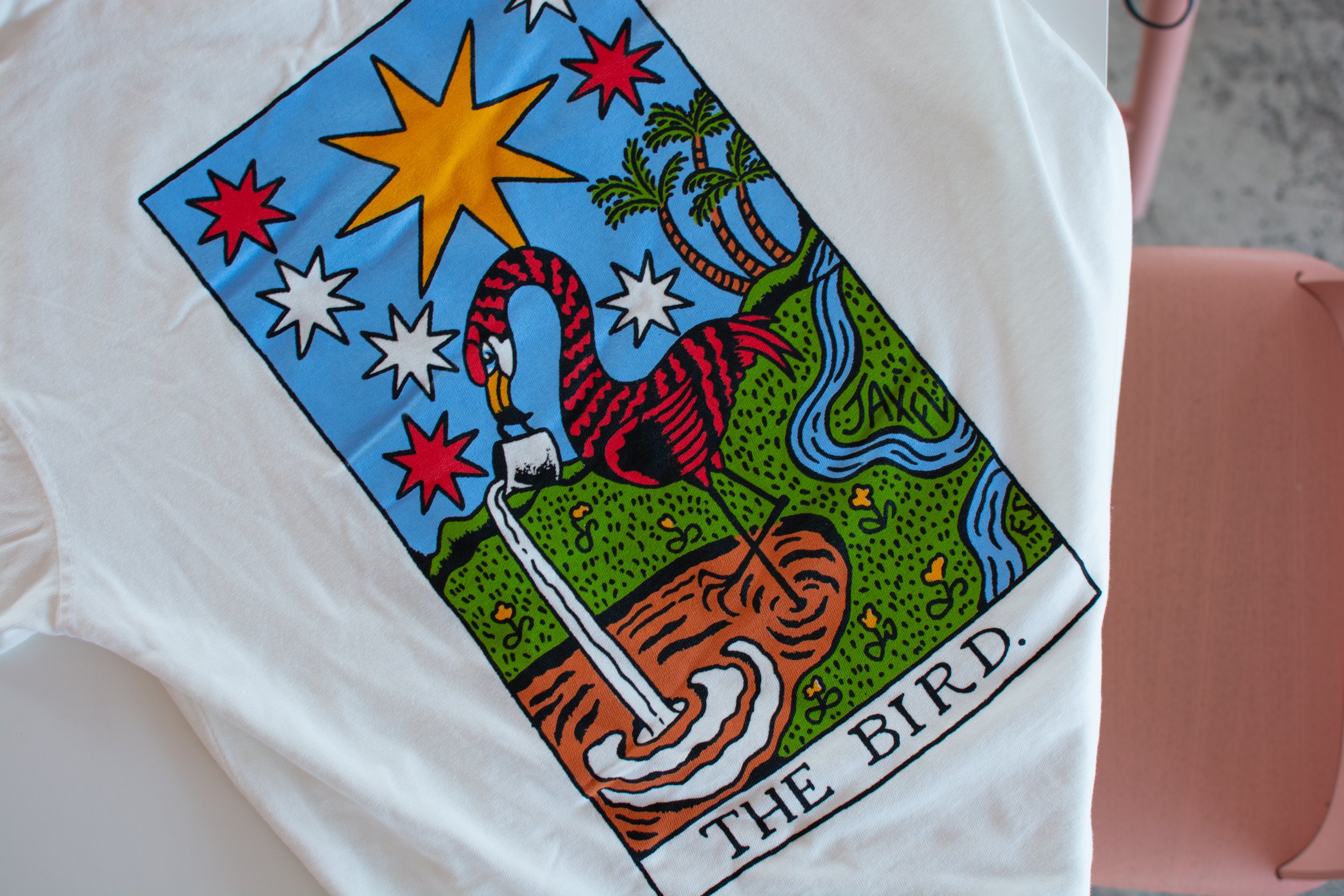
In celebration of the flamingo becoming the new state bird of Florida! All hail the most righteous pink bird!!
In the Cordillera Oriental Eastern Mountain Range, about two hours from the department capital of Bucaramanga, you’ll find La Pradera Hacienda Cafetera in Aratoca, Santander, Colombia. Family owned and operated, the La Pradera coffee company was created in 1971, and today four generations of the Daza Bautista family are directly involved in the production, processing, and export of specialty coffee. Their quality and success reflects the experience and value that the family places on their land and their coffee.
Mr. Héctor Daza originally began transforming the family farm into a coffee paradise by planting diverse timber and fruit trees, creating a shade canopy for the different varieties of coffee they would grow. This was the beginning of a lifelong commitment to environmental stewardship. The farm now includes anaco, bucaro, guamo, oak, avocado, tangerine, banana, and many other tree varieties, providing plenty of shade to the crop. Oscar Daza, third generation, now assumes leadership of La Pradera. The focus remains on sustainable land use, organic practices, and respect for the farm and the natural world that it inhabits.
The farm is situated near the Chicamocha Canyon—the second largest canyon in the world. The canyon creates a unique and favorable microclimate for coffee production, with warm air currents during the day and cool breezes and rainfall at night. Coffee flowers here January–March, with harvest happening during the September–February months.
Today, the La Pradera family farm is joined by 8 other farms, a QC lab, and wet and dry mills as part of the La Pradera coffee company. The quality control laboratory houses a team of certified professionals headed up by Luis Alfredo Archila. The wet mill and dry mill include state-of-the-art equipment, including an eco-washer, a pre-drying deck, and both solar and mechanical dryers. In total, Hacienda La Pradera employs 15 permanent employees and 172 seasonal employees, including 30 women—22 of whom operate the Manos de Mujer certified Finca Santa Maria.
Processing at La Pradera, managed by Oscar’s brother Hector Daza Jr., includes a variety of fermentation and drying combinations using both aerobic and anaerobic processes, including Washed, Natural, and Honey coffees. The operation is also an experimental farm for local and international coffee equipment companies, who test new technologies in specialty coffee production with the La Pradera team.
This lot of Castillo underwent Washed processing. Manually harvest ripe coffee cherries were first washed and sorted before being packed into air-tight bags where they were fermented for 18 hours. The fermented cherries are then pulped and fermented a second time in sealed plastic tanks for 24–36 hours before being washed. The parchment coffee is finally mechanically dried to a humidity of 11% before being stored in GrainPro bags ahead of milling and packaging for shipment.
BLACKBERRY, COFFEE BLOSSOM, RED WINE
natural anaerobic process
Bette Buna is a vertically integrated coffee company founded in 2020 by husband-and-wife Dawit and Hester. Their coffee journey began following the passing of Dawit’s grandfather, who farmed coffee with his wife, Emame, in Tefari Kela, Sidama for nearly a century. Dawit and Hester took over operations at the family farm committed to the mission of creating equal opportunities for coffee communities through the production of outstanding coffee. Today, Bette Buna operates farms in the coffee growing regions of Guji, Yirgacheffe, Sidama, and Bench Maji, as well as sourcing coffee from allied farmers throughout these regions.
This coffee is a single farm lot sourced from Bette Buna’s farm in the Megadu woreda of Ethiopia’s Guji zone. The farm covers 220 hectares of land, and is divided into plots of semi-forest and wild forest with coffee planted throughout. Employees at the farm are a mixture of full-time and seasonal employees totaling 850 people who are responsible for harvesting, sorting, and processing each lot. In addition to providing a living wage for the employees, Bette Buna also provides weekly transportation to the relatively remote farm, housing, meals, and satellite education for employee’s children who travel with their parents to the farm during the busy season.
This coffee underwent Natural Anaerobic processing. The coffee cherries are floated and washed with fresh water but are not depulped, allowing the full fruit to remain intact. They are then transferred into a tank fitted with an air valve. Inside the sealed tank, fermentation begins naturally with the yeasts and microorganisms present on the cherries. As the process develops, oxygen is gradually expelled, creating an anaerobic environment ideal for controlled fermentation. Once fermentation is complete, the cherries are rinsed again with clean water and moved to the solar dryer. Drying begins on a ceramic patio and is completed on layered beds within the solar dryer, allowing for slow, even moisture reduction and preserving the coffee’s unique characteristics.
Region: Oromia Zone: Guji Woreda: Megadu Kebele: –ECX Growing Area: Guji
rotating blend intended for cold brew but killer on all brew methods
coffee is roasted on mondays and shipped on wednesdays
CATERING
ESPRESSO . BEER . WINE . SPIRITS